


Блинкен склоняет Астану и Ташкент выступить против Москвы и Пекина
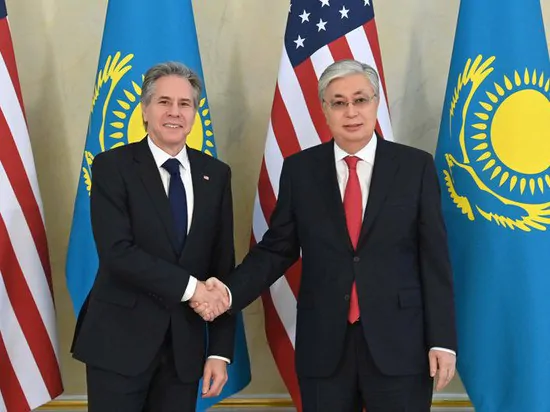
В последний день зимы в Казахстан посетил госсекретарь США Энтони Блинкен, который встретился с высшими чиновниками республики и главами дипломатических ведомств государств Центральной Азии в рамках формата сотрудничества С5+1.
Но на самом деле целью визита является отделение региона от России и Китая для создания в перспективе еще одного уже южного фронта.
Подпишитесь на новости «ПолитНавигатор» в ТамТам, Яндекс.Дзен, Telegram, Одноклассниках, Вконтакте, каналы YouTube и TikTok.
Ставка делается на прозападные элиты бывшей советской Средней Азии и в первую очередь на правящую казахстанскую верхушку как главного проводника англосаксонской политики в регионе. Поэтому турне Энтони Блинкена стартовало как раз с Казахстана, поскольку в планах Вашингтона начать дезинтеграционный процесс именно с этой республики. Не зря в Белом доме всё время твердят о том, что РК является главным стратегическим партнёром.
Собственно, и руководители Казахстана рады всячески стараться, выслуживаясь перед большим белым человеком из-за океана. Касым-Жомарт Токаев во время приёма великого гостя выступил с речью, в котором даже признался в любви к Вашингтону, который якобы стоит на страже целостности страны.
«Ваш визит особенно важен с точки зрения придания дополнительного импульса построению нашего стратегического сотрудничества. У нас очень хорошие и надежные долгосрочные партнерские отношения в таких стратегически важных областях, как безопасность, энергетика, торговля и инвестиции.
Поэтому мы готовы к дальнейшему развитию этого сотрудничества. Пользуясь этой возможностью, я хотел бы выразить нашу признательность за постоянную и твердую поддержку Соединенными Штатами нашей независимости, территориальной целостности и суверенитета», – сказал президент Казахстана.

Впрочем, что ожидать от автора концепции многовекторной политики, являющейся сейчас синонимом дальнейшего сближения с США и ЕС. Не случайно вся официальная пропаганда трубила об огромных достижениях в сфере торгового и финансового сотрудничества, выпячивая перед всеми цифру в 62 миллиардов долларов торгового оборота между двумя странами.
Примечательно, но для того, чтобы подчеркнуть свою лояльность перед янки, буквально за день до визита американского госсекретаря Астана громогласно закрыла своё торговое представительство в Москве. Никакого практического значения этот шаг не имел, но нёс символическое значение и был в качестве послания: мол, смотрите, мы готовы на резкие действия, вплоть до разрыва экономических отношений с Россией.
И неважно, что РФ является первым торговым партнёром РК, главное было продемонстрировать своим хозяевам жесткую ориентацию на Запад и приверженность движения в сторону приобщения к «демократическим ценностям», что означает проведение тотальной декоммунизации и дерусификации страны, дальнейшее выстраивание моноэтнического государства и взращивание в новом поколении враждебного отношения к общему историческому прошлому и нынешней России.
На этот недружественный шаг Акорды сразу же отреагировал в своём телеграм-канале депутат Государственной Думы Алексей Журавлёв, перечислив двурушнические телодвижения казахстанской правящей элиты во время СВО, напрямую связав их с демаршем по ликвидации торгового представительства.
«Внешне оставаясь лояльной Москве, Астана везет в Киев бронежилеты и горючее, при помощи которых ВСУ убивают наших военных и мирное население. В украинской столице установлены даже юрты несокрушимости – казахские бизнесмены поддержали инициативу президента Зеленского. В Казахстане объявлены вне закона символы Победы, а по улицам шныряют языковые патрули, которые нападают на каждого, кто говорит по-русски», – отметил депутат.
Он своим постом фактически передал сигнал ханской ставке, заметив, что Россия в случае продолжения такой политики способна перекрыть экспорт казахстанской нефти в страны ЕС через свою территорию, что приведет к том, что бюджет сразу потеряет 60% поступлений. И это только маленькая толика того, что может произойти в случае ухудшения отношений и бездумному следованию указаний Запада.
Ведь в действительности Энтони Блинкен приехал склонять Касым-Жомарта Токаева, Шавката Мирзиёева и других президентов через их министров иностранных дел к тому, чтобы они воздержались от дальнейшего развития экономических отношений с Россией. В первую очередь речь идёт, конечно, о дальнейшей торговой изоляции Москвы с целью прервать так называемый «серый импорт» через страны Центральной Азии.
Об этом госсекретарь говорил в ультимативной форме главам дипломатических ведомств среднеазиатских республик еще на сентябрьской генассамблее ООН в Нью-Йорке на прежнем заседании в формате С5+1, потребовав от них соблюдать санкции. Помнится, после этого казахстанские, узбекские и киргизские банки как по приказу перестали работать с российскими платёжными системами и начали рвать отношения со Сбером.
И сейчас это Вашингтону особенно важно с учётом того, что Россия геополитически и экономически переориентировалась на Восток, поставляя свои энергоносители на рынки Китая, Индии и Юго-Восточной Азии. Американцы и пытаются сейчас закрыть этот коридор и перерезать поставки жизненно важных товаров, технологий и материалов.
А через Центральную Азию как раз и пролегает львиная доля всех транспортных и логистических маршрутов на Юг в сторону Ирана и Индии, и Восток в сторону Китая. Белый дом тревожит и то обстоятельство, что несмотря на первые демарши недовольства со стороны Ташкента, Москве всё-таки удалось к февралю создать на деле «Газовый союз» с участием Казахстана, Узбекистана и Туркмении, что меняет соотношение сил на энергетическом рынке и привязывает республики к России.
Прервать эти маршруты и развалить «Газовый союз», превратить регион в скопище нестабильных и враждебных государственных образований является главной задачей для США. То есть в Вашингтоне, Лондоне и Брюсселе всерьез надеются превратить Центральную Азию в плацдарм для ведения агрессивных действий в отношении своих стратегических противников, подорвав тем самым российский тыл и создав напряжение на западных рубежах КНР.

Поэтому Энтони Блинкен использовал встречу с Касым-Жомартом Токаевым и министрами иностранных дел бывших советских среднеазиатских республик как пропагандистскую площадку для создания из России образа агрессора, якобы угрожающего, в том числе, и местным правящим полуфеодальным элитам.
«Это не просто агрессия России против Украины, и все ужасные вещи, которые творит Россия в Украине, это агрессия против основных принципов Устава ООН, которые, как мы считаем, направлены на поддержание мира и стабильности, включая в вашем регионе.
Именно поэтому важно, чтобы все страны объединились и выступали против российской агрессии. Не только ради защиты Украины, но и ради этих принципов. Если они будут нарушены, то Россия сможет направить агрессию против других стран», – заявил американский госсекретарь.

По этой причине Вашингтон в последние месяцы настойчиво навязывает свою «объединительную» повестку под собственной эгидой как гаранта «независимости» и «территориальной целостности», «центральноазиатской идентичности», в связи с чем в конце прошлого года был создан маловразумительный Союз Казахстана и Узбекистана в противовес интеграционным процессам в рамках ЕАЭС и индустриальным проектам Москвы.
И не случайно сразу же после выступлений в Астане, Этнони Блинкен поспешил в Ташкент для личной беседы с Шавкатом Мирзиёевым и его нукерами, в расчёте на то, что и эта элита также сделает правильные выводы и будет вставлять палки в колёса российским энергетическим проектам. Но главное для Белого дома этим вояжем – заставить Астану и Ташкент одновременно выступить против всех инициатив Москвы и настроить подобным образом остальных президентов Центральной Азии.
При этом из тактических соображений Вашингтон оставляет Казахстан в ЕАЭС и не настаивает на его выходе, и даже с барского плеча разрешает использование платёжной системы «Мир», понимая, что в противном случае, Астана окажется между молотом и наковальней в лице Москвы и Пекина.
А так казахстанская элита сейчас выполняет роль своеобразного троянского коня или западной агентуры в интеграционных проектах, ослабляя их, не давая им укрепиться, саботируя попутно все решения и предложения России и Белоруссии.
Примечательно, но антикитайская повестка несмотря на показательную антироссийскую риторику тоже никуда не делась. Так, перед визитом в Казахстан тот же Блинкен бросил открытую угрозу Пекину:
«Китай ждут большие проблемы в отношениях с США и другими странами, если Пекин будет поддерживать Россию в её войне против Украины».
Ведь помимо планов удушения России в Белом доме осуществляют и задачу изоляции Китая от России как главного стратегического союзника посредством разрушения геостратегического моста, пролегающего как раз через Казахстан и Центральную Азию. Плюс Вашингтон может также склонить Астану и Ташкент к торпедированию проектов и программ, осуществляемых Пекином в рамках концепции «Один пояс – один путь».
А ведь многие китайские транспортные и энергетические маршруты проходят через территорию региона, где планируется строительство новых железнодорожных путей, транспортных развязок и трубопроводов. И они в случае враждебности Астаны и Ташкента могут оказаться под угрозой удара и парализации.
Помнится, как раз после визита тогдашнего госсекретаря Майка Помпео в конце января 2020 года в прежний Нур-Султан вдруг неожиданно начались придворными националистическими бандами погромы дунган, этнической группы родственной китайцам, на юге Казахстана, пошли митинги с требованием недопущения переноса производства из Поднебесной в республику, а синофобские настроения били все рекорды.
И сейчас история может повториться, пусть и в других формах, например, через инициирование прозападными НПО забастовок на предприятиях с участием китайского капитала. Не зря Госдеп выделил средства для выделения малых грантов от 10000 до 50000 долларов инициативным группам активистов как раз для «укрепления экологического потенциала» с расчётом раскачать кампанию по загрязнению китайскими компаниями окружающей среды и необходимости их удаления.
Что же касается русофобской и антироссийской составляющей, то она также никуда не девалась и только усилилась после январских событий прошлого года. После принятия закона «О вывесках» власти несмотря на показную «деелбасизацию» активно осуществляют указ Назарбаева от 2018 года переименовании «идеологически устаревших названий» и запланировали убрать более трёх тысяч советских и русских названий населённых пунктов и улиц.
Успешно идёт и реабилитация государственной комиссией басмачей, террористов, участников Туркестанского легиона вермахта и мусульманских частей СС.
Как видим, «украинизация» идёт по плану и ещё более будет подстёгнута после визита посланника большого белого человека из-за океана. Только теперь надо усиленно думать, как укрепить и обезопасить самые протяженные южные рубежи от неизбежных провокаций в ситуации возможного появления нового фронта.
Если вы нашли ошибку, пожалуйста, выделите фрагмент текста и нажмите Ctrl+Enter.
Спасибо!
Теперь редакторы в курсе.