


Двухдневная гражданская война
3 и 4 октября 1993 года в Москве произошли трагические события, едва не подтолкнувшие Россию к расколу по югославскому варианту. Кровавая драма, разразившаяся 23 года назад, нанесла стране глубокую и очень болезненную рану. До сих пор в российском обществе нет единого мнения по октябрьским событиям 1993 года, и дискуссии на эту тему, как правило, переходят в ожесточенные споры о правых и виноватых.
Подпишитесь на новости «ПолитНавигатор» в Telegram, Facebook, Одноклассниках или Вконтакте

Подпишитесь на новости «ПолитНавигатор» в ТамТам, Яндекс.Дзен, Telegram, Одноклассниках, Вконтакте, каналы YouTube и TikTok.
Главным результатом октябрьского конфликта стала полная ликвидация системы органов власти, сложившихся при СССР. Президент Ельцин и его сторонники удержали власть и закрепили победу принятием новой конституции.
Причины конфликта. До распада Советского Союза Верховный Совет РСФСР, согласно Конституции 1978 года, был правомочен решать все вопросы, относящиеся к РСФСР. После того, как СССР перестал существовать, Верховный Совет являлся органом Съезда народных депутатов РФ (высшего органа власти) и обладал огромной властью и полномочиями, несмотря на поправки к Конституции о разделении властей.
Рано или поздно должно было случиться так, что главный закон страны, принятый еще при Брежневе, должен был встать на пути Большого Хапка Ельцина и команды «реформаторов», ограничивая их в правах и свободе действий. Кроме того, первый год без СССР и первые шаги команды юных демокрадов, начавших экономические «реформы» с «шоковой терапии», и в самом деле принесли стране мощнейший болевой шок без какой-либо терапии.
Разгул бандитизма, разруха, гиперинфляция, стремительный рост цен, потеря населением всех сбережений, остановленные предприятия и невыплаты зарплат месяцами сделали своё дело. Популярность Ельцина и его окружения, пребывавшая в зените после августовского «путча», очень быстро переросла в ненависть к недавнему кумиру. Уже в начале мая 1993 года страну потрясли многотысячные митинги и манифестации, призывающие Ельцина и его команду уйти в отставку по доброму.

Конфликт был неизбежен, поскольку противоборствующие стороны совершенно по-разному видели перед собой перспективы политического и социально-экономического будущего России. Самые большие противоречия вызывали экономические реформы, и ни одна из сторон не желала идти на компромисс.
К тому времени определились соотношения сил. Ельцина поддержали Совет Министров во главе с Черномырдиным и мэр Москвы Лужков. На стороне действующей власти открыто выступали многочисленные выгодополучатели от уже запущенного дерибана страны и вышедшие из тени держатели воровских «общаков». Кто бы ещё предоставил ослепительный шанс «синим» обменять неправедно нажитые дензнаки, укрываемые в матрасах от недремлющего ока ОБХСС, на реальные заводы, газеты и пароходы.
Верховный Совет РФ на тот момент был поддержан народным большинством и трудовыми коллективами – тем самым, теперь уже забытым и ушедшим в небытие, «красным поясом». Депутатов также поддержал и вице-президент России Александр Руцкой.

В активную фазу кризис перешел 21 сентября 1993 года, когда Ельцин в телеобращении поведал urbi et orbi, что издал указ о поэтапной конституционной реформе, по которому Съезд народных депутатов и Верховный Совет должны были прекратить свою деятельность.
Однако, по действовавшей Конституции 1978 года, полномочий распускать Верховный Совет и Съезд у господина Ёлкина не было. Его действия были расценены как неконституционные, ВС принял решение о прекращении полномочий президента Ельцина. Спикер ВС РФ Руслан Хасбулатов даже назвал его действия государственным переворотом.
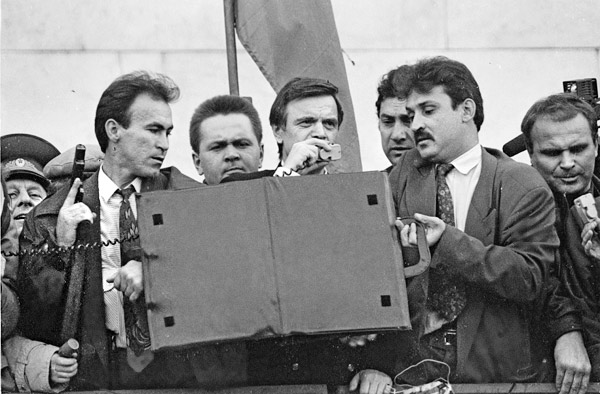
В последующие недели конфликт только обострялся. Члены Верховного Совета и народные депутаты фактически оказались заблокированы в Белом доме, где были отключены связь, электричество и водоснабжение. Здание было оцеплено милицией и военнослужащими. В свою очередь, добровольцам из числа оппозиционеров выдали оружие для охраны Белого дома.
Ситуация двоевластия не могла продолжаться слишком долго и в конечном итоге привела к массовым беспорядкам, вооруженному столкновению и расстрелу Дома Советов.

3 октября сторонники Верховного Совета собрались на митинг на Октябрьской площади, затем двинулись к Белому дому и разблокировали его. Вице-президент Руцкой призвал их взять штурмом мэрию на Новом Арбате и «Останкино». Здание мэрии вооруженные демонстранты захватили, но когда они попытались попасть в телецентр, разыгралась трагедия.
Материалы уголовного дела по расследованию событий вокруг ТЦ «Останкино» явно противоречат мифам ельцинских пропагандистов, поскольку из них следует, что ТЦ штурмовала группа из 20 человек во главе с горе-генералом Макашовым, а защищали ТЦ почти 900 военнослужащих и милиционеров при 24 БТР. Не наоборот. Остальные собравшиеся вокруг телецентра люди были обычными зеваками и просто случайными людьми, волею судьбы втянутыми в трагические события.
Следствие установило, что 3 октября 1993 года охрану комплекса зданий телецентра «Останкино» обеспечивали 87 сотрудников 4-го отдела Управления охраны ГУВД города Москвы. На вооружении они имели 84 пистолета и 37 автоматов с соответствующим количеством боеприпасов. Имелись необходимые средства связи, индивидуальной защиты, спецсредства. Им были приданы 20 военнослужащих в/ч 3179, вооруженных 19 автоматами и пистолетом.
По настоятельным просьбам руководства телецентра для оказания помощи в охране комплекса зданий командующий внутренними войсками МВД РФ прислал в Останкино дополнительные подразделения МВД. Около 16 часов 30 минут туда прибыли 84 военнослужащих в/ч 3641, не имевших, однако, огнестрельного оружия. У бойцов были бронежилеты, каски и резиновые палки.

В 17 часов, практически одновременно с группой Макашова, по непосредственному приказу руководства внутренних войск к телецентру прибыли 6 БТР и вместе с ними 105 вооруженных штатным вооружением военнослужащих отряда специального назначения «Витязь» под руководством командира части, а также ещё 14 солдат из в/ч 317а, вооруженных автоматами. БТРы были расставлены вокруг здания для круговой обороны.
Подкрепление к обороняющимся всё продолжало прибывать. К 19 часам ряды «осаждённых» пополнили 23 сотрудника 3-го отдела Управления охраны, имевшие на вооружении 23 пистолета и один автомат; 31 сотрудник ОМОНа Московского УВД на железнодорожном транспорте, вооруженные 27 автоматами и тремя пистолетами; 111 военнослужащих в/ч 3641 во главе с командиром части. Вместе с ними приехал заместитель командующего внутренними войсками МВД РФ генерал Голубец, принявший командование на себя.
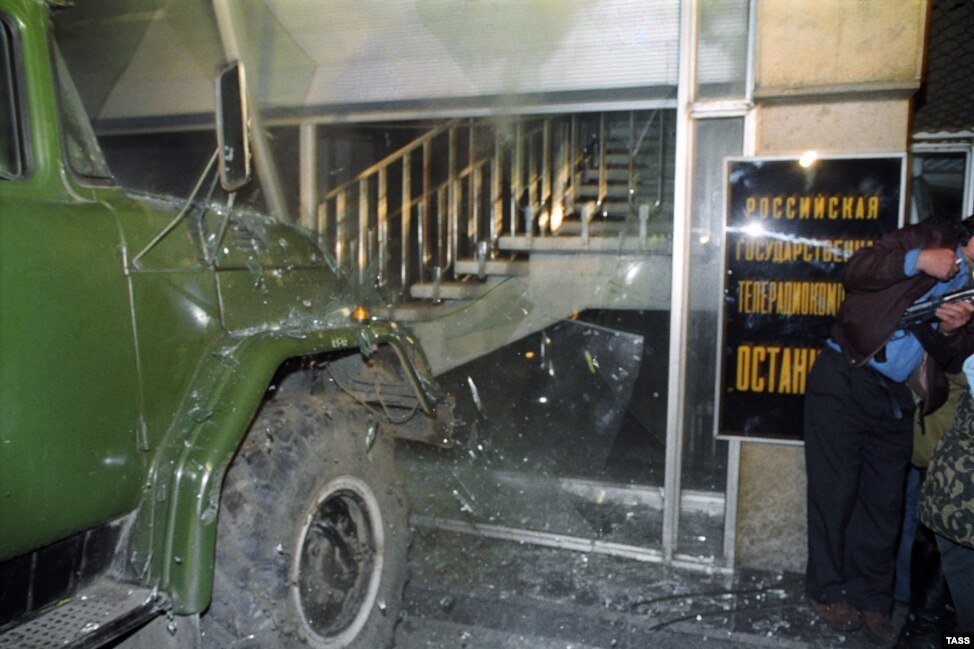
Тем не менее, охрана ТЦ не имела намерения стрелять по собравшимся. К этому их подтолкнули идиотские (если не сказать хуже) действия Макашова, выдвигавшего ультиматумы, и бестолковые действия его боевиков, не имевших элементарных навыков обращения с боевым оружием. Например, среди штурмовиков был замечен некий доброволец с РПГ-7, отнятым у омоновцев, на виду у охраны безуспешно пытавшийся зарядить гранатомёт. Неумёха с оружием давил на психику военным, но те не сделали попытку его обезвредить. И даже после очередного ультиматума Макашова очистить телецентр, когда две грузовые автомашины сторонников Верховного Совета протаранили вход в АСК-3 и окно рядом с ним, отпора не последовало. Офицер, отвечавший за этот участок, попросил разрешения открыть огонь, чтобы, как это предусматривают воинские уставы, отразить нападение на охраняемый объект. Командир «Витязя» и находившийся в АСК-1 заместитель командующего внутренними войсками запретили сделать это, хотя выстрелы по радиаторам и колесам автомобилей могли бы «разрядить» обстановку без кровопролития.

И всё-таки, нервы у одного из оборонявшихся не выдержали и с их стороны раздался выстрел, ранивший в ногу одного из охранников Макашова, на что нападавшие ответили выстрелом из гранатомёта в АСК-3. Свидетели отмечают двойной взрыв и говорят о двух взрывных устройствах, но на фотографиях с места столкновения фигурирует представитель «альтернативного МВД», держащий в руках РПГ-7 с тандемной БЧ. Выстрел в ногу охраннику и гибель рядового Ситникова послужили толчком к бессмысленной стрельбе на поражение по людям.
В одном из таких инцидентов погиб сын космонавта Егорова, ставший врачом, как и его отец. Молодой человек бросился оказывать первую помощь раненым, сражённым пулями из БТР, но и сам был прошит пулемётной очередью. Среди убитых оказался даже юрист из США Терри Майкл Дункан, вытаскивавший раненых из-под шквального огня.
Возле «Останкино» вместе с Дунканом оказался ещё один иностранец – журналист Пол Отто. Отто спасался от огня за массивной клумбой и всё время кричал военным, что он иностранный журналист, просил перестать стрелять и дать ему уйти. Во время таких «переговоров» кто-то из «Витязя» разрешил им уйти. Пол Отто поднялся из-за клумбы и сразу же был ранен в живот выстрелом из здания АСК-3. Бойцы «Витязя» не давали возможности подползти к Полу Отто для оказания помощи, стреляя в каждого, кто пытался приблизиться к раненому. Дункан, находясь поблизости, словами подбадривал Пола Отто и разговаривал с ним, чтоб раненый не терял сознание. Так продолжалось длительное время, пока одной из автоматных очередей Дункан не был ранен. Он затих и больше не подавал голоса.
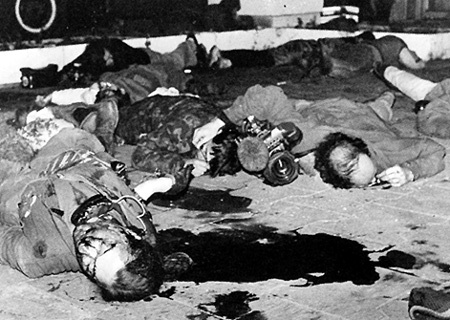
По данным следствия, в районе телецентра были убиты либо впоследствии скончались от полученных ран 46 человек. Ещё 124 человека получили ранения различной степени тяжести.
На следующий день 4 октября верные президенту Ельцину войска начали штурм Дома Советов. Белый дом обстреливали прямой наводкой танки, выведенные на Краснопресненский мост. В здании произошел пожар, из-за чего его фасад наполовину почернел. Кадры обстрела облетели тогда весь мир. До сих пор помню отвисшую челюсть обозревателя CNN, комментировавшего прямую трансляцию штурма БД, когда танки начали стрелять по парламенту, и от попаданий снарядов от стен БД стали отваливаться куски и брызгать стёкла, а из окон вырвались языки пламени и клубы чёрного густого дыма.

И в самом деле, тут было отчего впасть в ступор. Не каждый день можно увидеть, как в ядерной державе, совсем недавно влиявшую на мировой политический климат, происходят разборки в латиноамериканском стиле. Всего два года назад злобные большевистские сатрапы побоялись взять грех на душу – отдать приказ спецназу КГБ и десантникам прорвать живое кольцо вокруг БД и зачищать его внутренности. Это решение стало смертным приговором СССР, и новым политическим трамплином для Ельцина. Зато демократ и борец с тоталитарным прошлым Ельцин без всяких колебаний пошёл на расстрел парламента и вообще очень легко принялся лить кровь.

Посмотреть на расстрел Белого дома собрались зеваки, которые подвергли себя опасности, поскольку попали в поле зрения снайперов, расположившихся на соседних домах. По факту гибели десятков людей (да, пострадавших от собственной глупости, но это ещё не повод для убийства невиновных) до сих пор остаётся больше вопросов, чем ответов. И, боюсь, что ответы мы узнаем нескоро. Если узнаем.
В эти трагические октябрьские дни 1993 года ошеломительно прекрасно проявили себя представители творческой интеллигенции, «властители дум» и прочий «мозг нации».
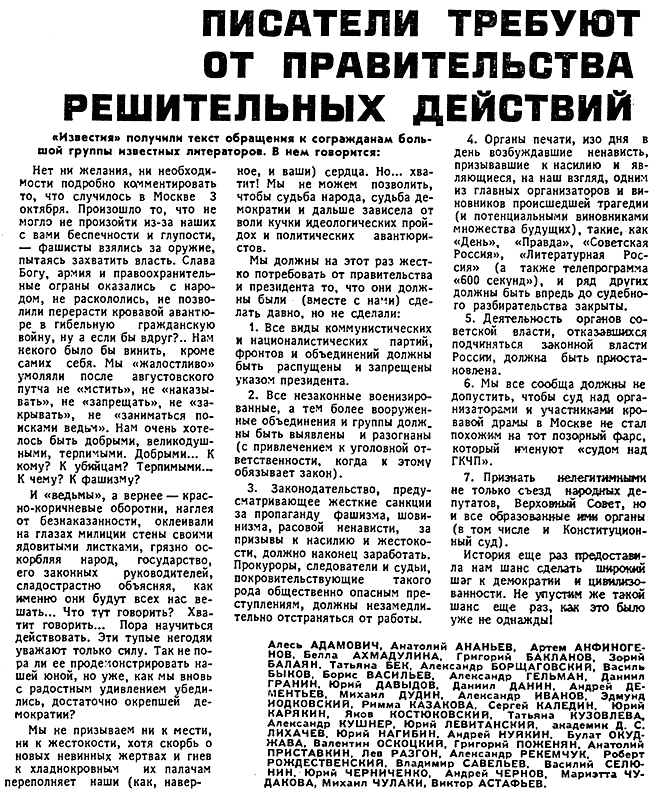
Их обращение к Ельцину, известное как «Письмо 42-х», опубликованное в «Известиях» 5 октября, сразу после силового подавления оппозиции, есть ни что иное, как призыв развязать новую гражданскую войну на развалинах СССР. Квинтэссенция сего обращения ахеджакнула с экранов телевизора визгливым требованием известной киноклоунессы «Раздавить гадину!».
Было очень показательно, как заслуженные и порой весьма талантливые люди, фрондирующие «шестидесятники», дети хрущёвской «оттепели», ненавистники репрессий, тоталитаризма и всяческой несправедливости, неустанно клеймившие и обличавшие сталинизм из книг и с экранов ТВ, наконец-то вытащили застрявшую фигу из кармана и обернулись мразотными подписантами цидульки, открыто предлагающей открыть властям охоту на инакомыслящих. Воистину, прав был Ленин, давший им характеристику «говна нации».
Что стало потом – мы все прекрасно знаем. Дальнейший путь для Ельцина и его команды был расчищен. Система государственных органов, сложившаяся при СССР, была полностью ликвидирована. До выборов в Федеральное Собрание и принятия новой Конституции вся полнота власти оказалась в руках президента Бориса Ельцина. 12 декабря 1993 года было проведено всенародное голосование по новой конституции и выборы в Государственную думу и Совет Федерации.
В России с размахом продолжился Большой Хапок, козыревщина во внешней политке, война в Чечне и вымирание России, с огромным трудом остановленные у самой пропасти в течение 2000-х.
Нельзя сказать, что Россию ждала бы лучшая судьба с победой сторонников ВС РФ. Верхушка противников действующей власти была ничуть не лучше Ельцина. Если тщательно копнуть биографии Руцкого, Хасбулатова, Макашова, Умалатовой, то за каждым из них найдётся достаточно грязи, чтобы прийти к пониманию: попытка смены шила на мыло не стоила той крови, что была пролита на улицах Москвы в октябре 1993 года.
В сухом остатке. С 3 по 4 октября 1993 года в России произошла маленькая двухдневная гражданская война: 123 убитых, 384 раненых. За эту кровавую бойню никто не понес ни уголовной, ни политической ответственности. И ту и другую сторону примирила февральская амнистия. Верхушки, во всяком случае. И та и другая сторона с облегчением вздохнули, когда Генеральная прокуратура вынуждена была закрыть уголовное дело № 18/123669-93. Более того, каждый из организаторов октябрьских событий выпустил по «мемуару», в котором с легкостью переложил ответственность за убийства на своих политических оппонентов.

Амнистия, похоронившая уголовное дело № 18/123669-93, устраивала всех потому, что вопреки воле ельцинского руководства следователи Генпрокуратуры расследовали действия не только сторонников Верховного Совета, но и правительственных сил, во многом повинных в сложившейся ситуации и в тяжких последствиях происшедшего.

Истинными героями октябрьских событий являются бойцы «Вымпела» и «Альфы», не замаравшие свои руки и честь исполнением преступных приказов и кровью соотечественников, спасшие жизни десятков людей из осаждённого и горящего Белого дома. Наказанные позже псарём Бориской за свою человечность, честность и принципиальность. Но это уже совсем другая история.
Если вы нашли ошибку, пожалуйста, выделите фрагмент текста и нажмите Ctrl+Enter.
Спасибо!
Теперь редакторы в курсе.